

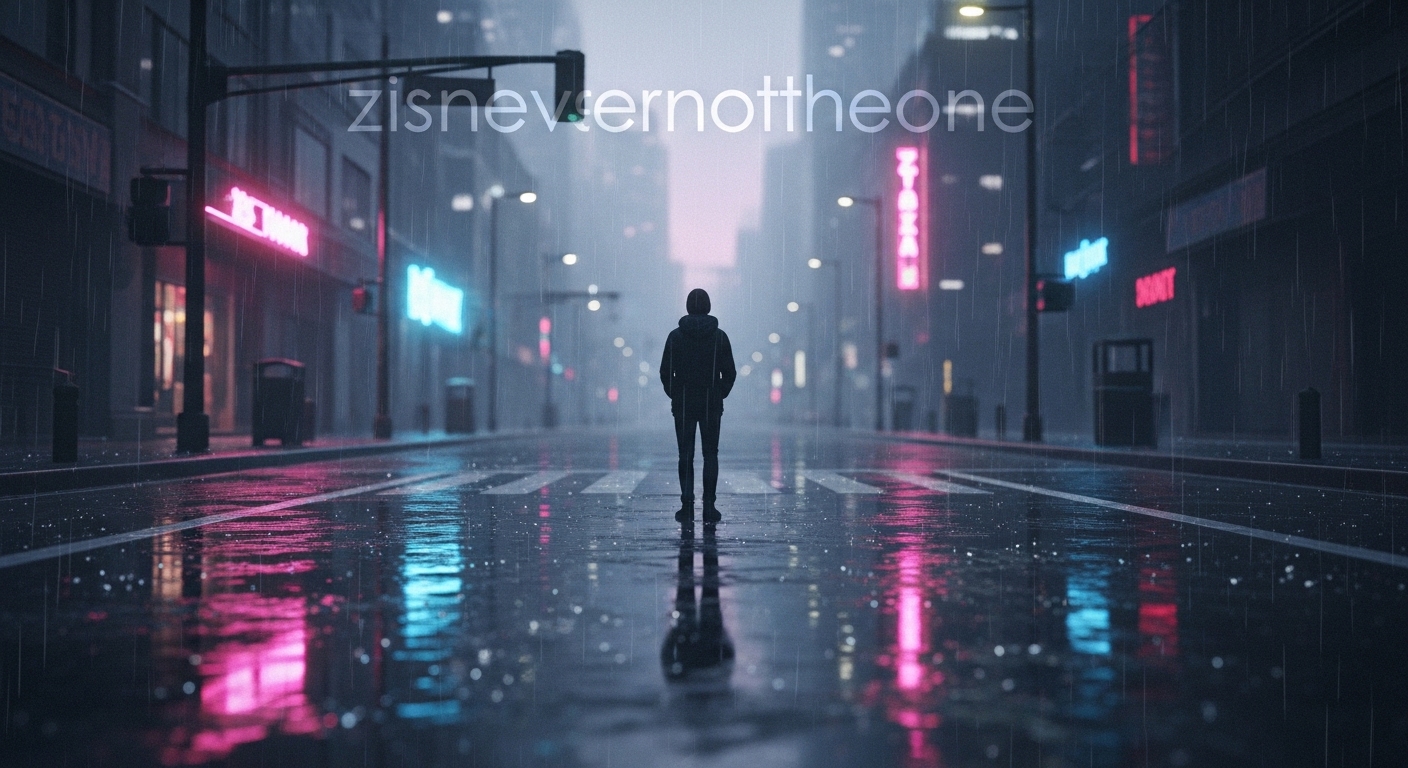
If you’ve stumbled upon the term zisnevernottheone while scrolling social media, searching for meaning, or trying to use it yourself, you’re not alone — this phrase has become a curious internet phenomenon. Unlike traditional keywords with clear definitions, zisnevernottheone blends ambiguity with emotional nuance, making it both intriguing and subtly expressive. In this article, we’ll unpack its likely search intent, origins, real‑world examples, practical uses, and how to make sense of it in different contexts — all while avoiding generic filler and adding insight that genuinely helps.
What Searchers Want to Know About zisnevernottheone
When people search for zisnevernottheone, their intent most often breaks down into a few clear categories:
- Meaning & interpretation: “What does this phrase mean?”
- Origin & cultural usage: “Where did this term come from and how did it trend?”
- Usage examples: “How do people use this phrase in captions, meme culture, or art?”
- Emotional or symbolic relevance: “Is this phrase meaningful or expressive in a relationship or personal context?”
This isn’t a straightforward dictionary term — it’s an evolving piece of internet language with emotional layers. So let’s break it down.
What zisnevernottheone Means
At first glance, zisnevernottheone looks like a mash‑up of words without clear spacing or grammar. But many users interpret it as a stylized version of the phrase “this never not the one” — which itself is a paradoxical statement. In natural language, this can mean that something is always “the one,” even if it wasn’t obvious at first.
Think of it like:
- A contradictory affirmation: Something that might not appear as “the one” but still feels like it deep down.
- An emotional caption: Used when reflecting on a relationship, life choice, or moment that was significant even if it didn’t “work out.”
- A meme or mood phrase: Short enough to fit in social bios, minimalist poetry, or introspective art captions.
This ambiguity is part of what makes it spread: people project personal meaning onto it, making it “relatable yet mysterious.”
Why zisnevernottheone Became Popular
Patterns in internet culture show that phrases go viral when they:
- Look poetic or aesthetic — especially as minimal text in visuals and designs.
- Capture emotion without spelling it out.
- Invite interpretation — users enjoy debating meaning.
- Sound unique or catchy.
This phrase checks all those boxes. It’s not a common line from literature or a well‑known lyric — it emerged organically online, particularly on TikTok and social platforms. People began using it as a caption for breakup videos, introspective posts, and meme memes about “almost but not quite” moments in life.
Real‑World Examples of How People Use It
Here are some contexts where zisnevernottheone shows up:
1. Social Media Captions
Someone posts a photo of a faded relationship or a moment that didn’t last — and captions it with zisnevernottheone to express bittersweet acceptance.
Example:
“We had some great times, but zisnevernottheone — and that’s okay.”
2. Meme Culture
On platforms like Reddit or Twitter, users employ it ironically. For example:
“When you almost got the job but then they ghost you… zisnevernottheone.”
3. Art, Music, and Aesthetic Content
Some creators incorporate the phrase into digital art, indie lyrics, or aesthetic fashion designs, pairing it with visuals that evoke nostalgia, rain, or introspection — similar to other internet aesthetics.
Practical Use Cases
So how might you use zisnevernottheone in everyday online communication?
| Use Case | How It Helps |
|---|---|
| Reflecting on relationships | Conveys nuanced emotion with minimal words |
| Captioning photos | Adds a poetic touch that invites interpretation |
| Art or design projects | Becomes part of an aesthetic theme or moodboard |
| Branding or marketing (creative) | As an evocative phrase to signal emotion or story |
In branding contexts, some creators even refer to this concept as a “philosophy” — encouraging authentic emotional expression over generic slogans.
Comparisons: zisnevernottheone vs. Other Internet Phrases
| Phrase | Tone | Meaning | Typical Use |
|---|---|---|---|
| zisnevernottheone | ambiguous, poetic | Dual meaning — not the one, but somehow always the one | Emotional captions |
| Main character energy | empowering | You’re the protagonist of your life | Personal bios |
| It’s giving… | expressive slang | Conveys vibe | Describing style/mood |
The difference? zisnevernottheone leans more toward emotional subtlety and introspection — it’s less about bold identity and more about paradoxical awareness.
Pros and Cons of Using the Phrase
Pros
- Evocative without being overly sentimental
- Flexible meaning for different contexts
- Works well in creative, aesthetic online spaces
Cons
- Can confuse audiences who don’t know its meaning
- Too vague for formal or professional contexts
- Might feel overused in some meme circles
FAQ: zisnevernottheone
Q: Where did zisnevernottheone come from?
A: It seems to have originated as an internet phrase used in niche social media communities, possibly as a caption trend before spreading more widely.
Q: Is it grammatically correct?
A: Not in traditional English — it’s intentionally stylized, which is part of its appeal online.
Q: Can I use it in a caption?
A: Yes — especially if you want to evoke an emotional or reflective mood.
Q: Is it a meme or meaningful phrase?
A: Both — it functions as a meme because of its viral spread, but it also carries emotional meaning for many users.
Final Thoughts
zisnevernottheone isn’t a standard English phrase — it’s a cultural artifact of online communication. Its ambiguity is its strength, allowing users to apply it creatively across captions, art, and introspective posts. Whether you use it to caption a photo about love, loss, personal growth, or aesthetic mood, its meaning will always depend on context — and that’s exactly what makes it resonate.
If you’re crafting content or trying to express a layered feeling succinctly, zisnevernottheone is worth knowing — not because it’s a dictionary entry, but because it’s part of how modern digital culture expresses complex emotion in compact form.